

Introduction
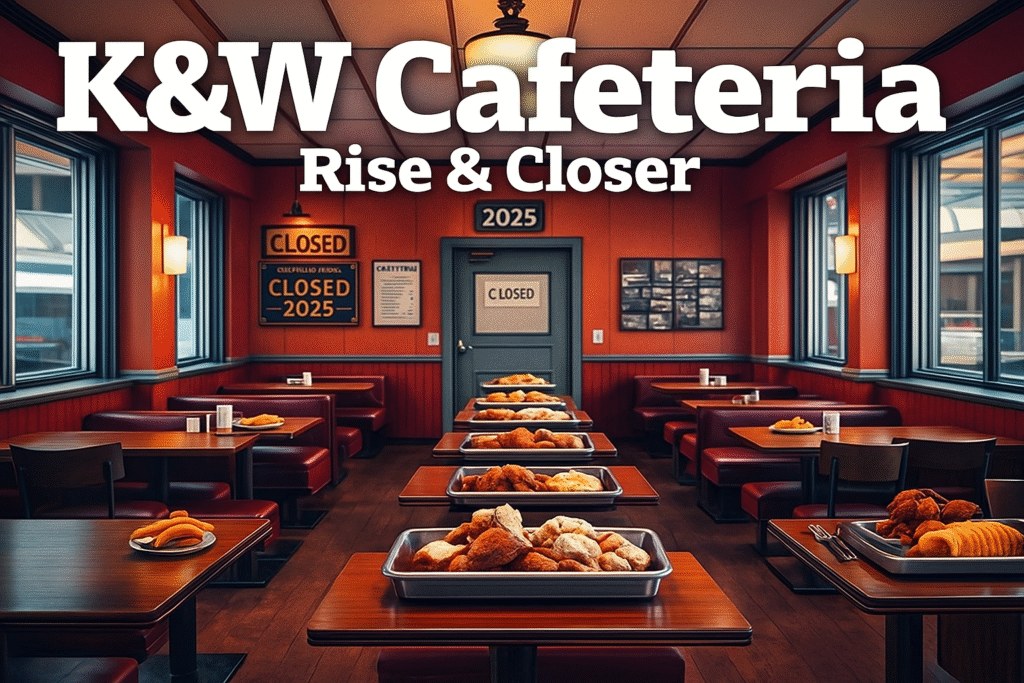
K&W Cafeteria was more than just a restaurant chain; it was a Southern institution representing comfort, tradition, and community dining for decades. For generations in the United States, especially in the South, it stood as a symbol of hearty meals, warm hospitality, and a homey atmosphere. By 2025, this beloved chain had shuttered its doors, leaving food enthusiasts and loyal patrons asking: what happened? In this article, we explore its rise, menu, locations, and eventual closure.
A Legacy of Southern Comfort
Founded in 1937 by Keith and Woodburn, K&W Cafeteria carved a niche in the Southern dining scene by offering affordable, home-style meals in a self-service cafeteria model. Their approach was simple yet revolutionary: provide delicious food in generous portions with friendly service.
Key Milestones
- 1937: First location opens in Winston-Salem, North Carolina.
- 1960s-70s: Expansion across North Carolina with a menu rich in Southern comfort food.
- 1980s-2000s: Peak popularity with multiple locations USA renowned for breakfast and lunch buffets.
- 2020s: Rising costs, competition, and changing habits led to gradual closures.
This story serves as a lesson in adapting to consumer trends while maintaining brand heritage.
Menu Highlights
One of the most beloved aspects was its menu featuring Southern comfort food at its finest. Patrons often described the experience as reminiscent of home-cooked meals.
Signature Dishes
- Fried Chicken: Crispy and perfectly seasoned.
- Meatloaf & Mashed Potatoes: A staple of Southern dining.
- Southern Style Vegetables: Collard greens, candied yams, and green beans.
- Homemade Desserts: Banana pudding, peach cobbler, and chocolate cake.
Many still reminisce about the daily specials and the warm, welcoming environment.
Menu Trends
| Dish Type | Popularity | Notes |
|---|---|---|
| Breakfast | High | All-day breakfast was a unique selling point. |
| Lunch Specials | Medium-High | Affordable combo meals drove repeat visits. |
| Dinner Buffets | Medium | Evening buffets attracted families. |
| Desserts | Very High | Signature Southern desserts were highlights. |
For those searching for locations near me, nostalgia remains strong despite closures.
Locations Across the USA
At its peak, the chain had numerous locations across North Carolina, South Carolina, and Tennessee, and select other states. Each location aimed to replicate the same welcoming ambiance, home-style cooking, and cafeteria service.
Regional Highlights
- North Carolina: Largest concentration.
- South Carolina & Tennessee: Retained Southern charm.
- Other States: Catered to Southern food enthusiasts outside the main region.
Strategic placement helped build a loyal customer base valuing community dining.
Factors Behind the 2025 Closure
Despite popularity, closure in 2025 resulted from:
- Changing Consumer Habits: Fast-casual dining, meal delivery, and health trends shifted preferences.
- Operational Costs: Rising labor, rent, and food costs.
- Competition: National chains and innovative menus drew younger demographics.
- Pandemic Impact: COVID-19 accelerated closures, as dine-in cafeteria service became less viable.
While loyal patrons mourned the closures, the legacy in Southern comfort food continues.
Review & Personal Perspective
For visitors, the experience was more than a meal—it was tradition:
- Friendly staff remembered favorites.
- Generous portions offered value.
- Family-friendly atmosphere encouraged lingering and conversation.
One customer shared, “It was like visiting family. Every meal felt like home, and desserts always made it special.”
Lessons From the Journey
This story is a compelling case study in longevity and adaptation:
- Brand Legacy Matters: A strong brand can survive decades but must adapt.
- Adaptation is Crucial: Iconic brands need to embrace technology and evolving preferences.
- Community Engagement: Building loyalty ensures long-term success.
Impact on Southern Comfort Food
Even after closures, the influence on Southern comfort food persists. Recipes and styles are frequently referenced, ensuring culinary impact endures.
For enthusiasts, remembering the chain is nostalgic and inspires preserving home-style cooking traditions.
Conclusion
The rise and fall of K&W Cafeteria reflects American dining culture, business challenges, and the power of comfort food. While doors closed in 2025, flavors, stories, and community connections live on.
Share your favorite dish or memory in the comments. For more Southern cuisine insights, explore our related articles.